

Cancer Awareness
IS ANYONE SAFE FROM CANCER?
We've been told if we don't smoke, don't drink, maintain a healthy weight, use sunscreen and eat right, we will not get cancer. Well, unfortunately, none of us is safe from cancer.

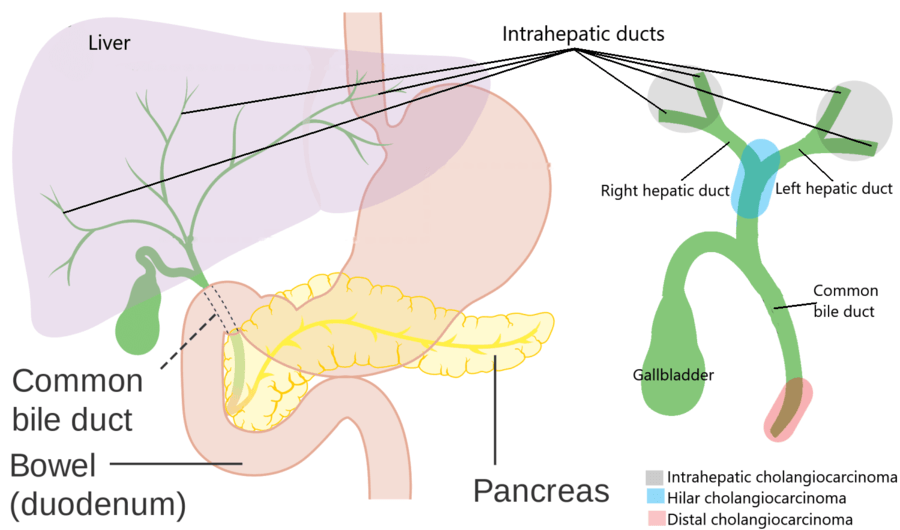
In the upper abdomen, behind the stomach, the pancreas is a long, flat, and soft organ. It has a tail, a body, and a head. It produces hormones to regulate blood sugar levels and enzymes for food digestion. Important blood vessels that carry blood to the liver, stomach, and small intestine surround the pancreas.
Pancreatic cancer occurs when a pancreatic cell undergoes mutations and turns cancerous (malignant). It multiplies unchecked, develops into a mass, and spreads to other organs. Pancreatic cancer is a dangerous disease. Symptoms usually occur when the disease becomes advanced.
Depending on the stage at which we identify cancer, treatments and outcomes differ. There are 4 stages of cancer. The stage is lower, and the results are better if we make the diagnosis early. With surgery, we may cure early stage pancreatic cancer. Even with the cutting-edge therapies, advanced pancreatic cancer has a dismal long-term prognosis.
Symptoms show up after the disease has progressed. We disregard the symptoms in the early stages since they either don't happen or are minor. They are also difficult to distinguish from common illnesses that afflict us. Be concerned if your issues continue and worsen. Clinical diagnosis of these symptoms as pancreatic cancer can be challenging. Routine investigations seldom discover pancreatic masses. Patients with minor symptoms shouldn't undergo scans.
We should know the typical signs of pancreatic cancer to identify them. Jaundice, weight loss, abdominal pain, and recent-onset diabetes are signs of pancreatic cancer.
The term "jaundice" means the yellowing of the eyes, skin, and urine together with pale stools. It is associated with itching. It happens because pancreatic cancer blocks the bile duct, which causes bile to build up in the body. Early signs of pancreatic cancer may include jaundice. Jaundice is not a symptom of the pancreatic body or tail cancer, which is why they present later.
You should be cautious if you experience unexpected weight loss. Appetite loss and fatigue typically accompany weight loss from pancreatic cancer.
A late sign of pancreatic cancer is pain, especially in the upper abdomen that radiates to your back.
Sometimes the onset of diabetes signals the beginning of pancreatic cancer. A tiny portion of these people will have pancreatic cancer.
Additionally, bowel disturbances, fever and shivering, and indigestion are signs of pancreatic cancer.

Dr. Nikhil Agrawal is a leading GI-HPB Surgical Oncologist with 20+ years of experience in complex cancers of the esophagus, stomach, colon, rectum, liver, pancreas, gallbladder, and bile ducts. He leads the GI-HPB Oncology Program at Apollo Hospitals, Delhi and Gurugram, with expertise in advanced robotic and laparoscopic cancer surgery.
His practice focuses on evidence-based, multidisciplinary care with an emphasis on individualized treatment and long-term outcomes.
He trained at BHU, SGPGI Lucknow, AIIMS New Delhi, and SNUBH, South Korea, and is a robotic surgery proctor who trains surgeons in advanced GI-HPB cancer surgery. He is also regularly invited as faculty at national and international scientific meetings.
This website helps patients and families understand GI and HPB diseases and cancers, treatment options, and what to expect during recovery and long-term care.
We've been told if we don't smoke, don't drink, maintain a healthy weight, use sunscreen and eat right, we will not get cancer. Well, unfortunately, none of us is safe from cancer.
People often remark in OPD, seminars and conversations that cancer is increasing. They are seeing more people getting cancer.