7 Early Warning Stomach Cancer Symptoms and Signs That Are Ignored
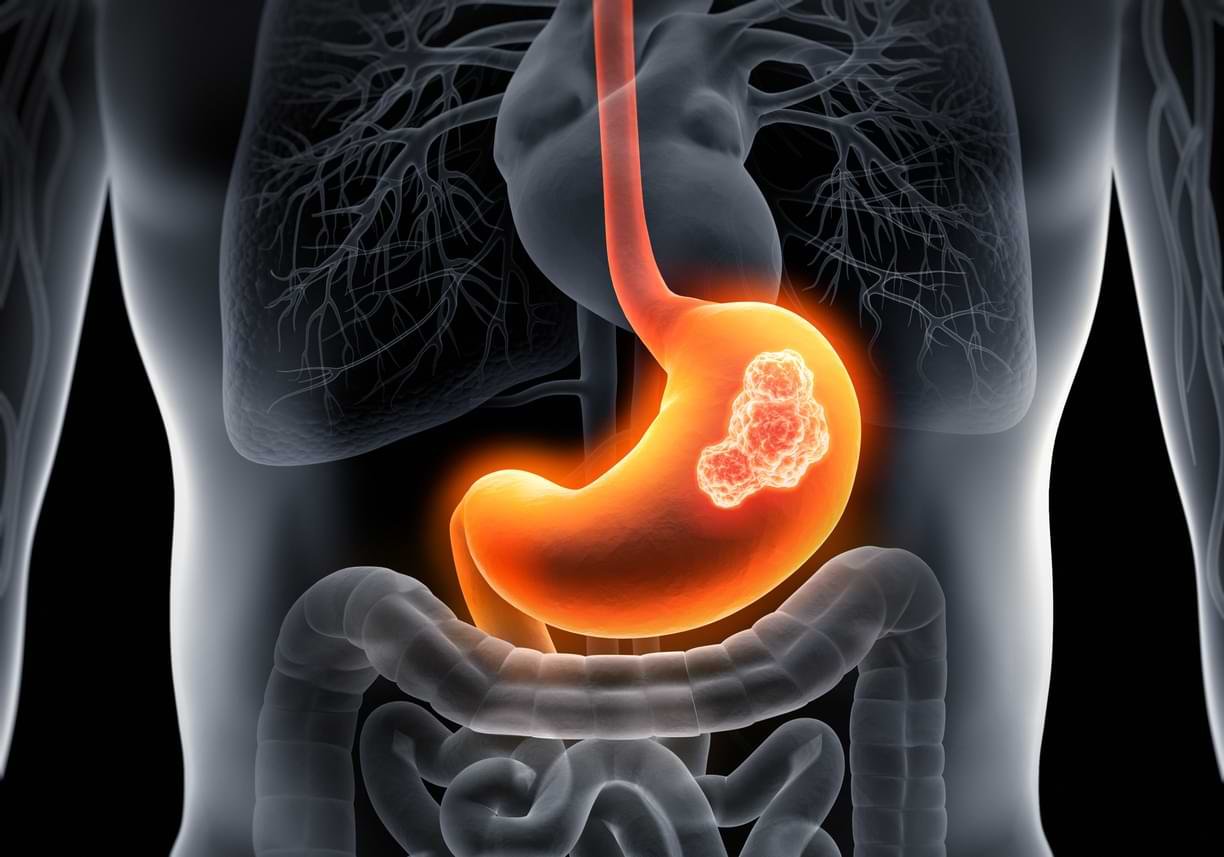


Stomach cancer
Stomach cancer is the 5th most commonly diagnosed cancer in the world. Over 10 lakh cases of gastric cancer are diagnosed each year around the world.
Delay in diagnosis
One of the biggest dangers of this disease is the difficulty of diagnosing it. Gastric cancer like most gastrointestinal cancers is either asymptomatic in initial stages or the symptoms are mistaken for less serious gastrointestinal issues. Hence, it often goes undiagnosed until after it spreads to other parts of the body.
Unfortunate consequences
As a doctor who treats gastrointestinal cancers, it's heartbreaking to see patients whose cancer has spread. Stomach cancer is treatable in early stages. Once the cancer spreads to other parts of the body, it becomes difficult to treat and cure.
If we could catch stomach cancers sooner, we might save more lives. But why do these cancers often go undetected until it's too late?
Stomach cancer symptoms
Are there early warning signs and symptoms we can look out for? Let's find out.
Indigestion, heartburn, and bloating: Most people experience these symptoms occasionally and it is ok to ignore it. However, persistent symptoms that do not go away could be a sign of something more serious.
Vague discomfort or pain in the abdomen: Occasional abdominal pain or discomfort is common and should not be a cause of concern. However, When this is persistent, increasing and associated with other symptoms you should seek a medical opinion.
Nausea and vomiting: While nausea and vomiting can happen because of various causes such as disagreeable food, recurrent episodes should not be ignored. If you experience these symptoms regularly, particularly if they are accompanied by other signs, it's important to consult a healthcare professional.
Loss of appetite: A sudden and significant decrease in appetite can be a subtle indicator of serious diseases. If you find yourself feeling full after eating only small amounts, this could signal an underlying issue that needs attention.
Unexplained weight loss: Unintended weight loss is often alarming and can indicate a serious health concern. If you are losing weight without trying—especially if it occurs alongside other symptoms—it's essential to seek medical advice.
Black stool: Black stools indicate bleeding in your gastrointestinal tract. This is usually a serious sign and you should immediately consult a doctor. Remember that some medicines such as iron tablets and some foods can also cause black stools.
Low haemoglobin (anaemia): Anaemia can be because of various causes and stomach cancer is one of them. If you are detected to have low haemoglobin, then get investigated to find the cause.
What to do?
Early detection of stomach cancer is key to improving treatment outcomes. Mild abdominal discomfort or gastric trouble is usually not a cause for concern. Ignore it if it happens occasionally. But, if symptoms occur regularly, worsen and don't go away, seek medical help. Don't ignore persistent symptoms. The doctor will examine you and order tests to find the cause. Hopefully, it's a minor issue. But sometimes, cancer may be hidden.
By recognizing these symptoms and seeking medical attention promptly, we can catch diseases and cancers early, when they're more treatable.
Conclusion
Early detection is key. Early diagnosis can save lives. So, stay vigilant and listen to your body. Don't delay seeking medical help. It's always better to stay alert and stay safe.
FAQ
Detect Early, Treat Right, Save Lives!

About Author
Dr. Nikhil Agrawal
MS, MCh
Dr. Nikhil Agrawal is a leading GI-HPB Surgical Oncologist with 20+ years of experience in complex cancers of the esophagus, stomach, colon, rectum, liver, pancreas, gallbladder, and bile ducts. He leads the GI-HPB Oncology Program at Apollo Hospitals, Delhi and Gurugram, with expertise in advanced robotic and laparoscopic cancer surgery.
His practice focuses on evidence-based, multidisciplinary care with an emphasis on individualized treatment and long-term outcomes.
He trained at BHU, SGPGI Lucknow, AIIMS New Delhi, and SNUBH, South Korea, and is a robotic surgery proctor who trains surgeons in advanced GI-HPB cancer surgery. He is also regularly invited as faculty at national and international scientific meetings.
This website helps patients and families understand GI and HPB diseases and cancers, treatment options, and what to expect during recovery and long-term care.
Related Blogs

IS ANYONE SAFE FROM CANCER?
We've been told if we don't smoke, don't drink, maintain a healthy weight, use sunscreen and eat right, we will not get cancer. Well, unfortunately, none of us is safe from cancer.

Cancer rates increasing? - Read this!
People often remark in OPD, seminars and conversations that cancer is increasing. They are seeing more people getting cancer.